A Comprehensive Guide to Choosing the Right Solar Inverter System for Your Nigerian Home

Deciding to go solar in Nigeria is a big step, and honestly, it’s one of the smartest moves you can make, given our ongoing power challenges. With the relentless power outages, the loud, smelly generators, and the ever-increasing cost of electricity, making the switch to solar energy feels like a breath of fresh air. But once you’ve made that decision, the next step can seem a bit daunting: choosing the right solar inverter system for your home.

You might be thinking, “How hard can it be? Just get some solar panels and an inverter, right?” Well, not quite. Picking the right system is crucial because it directly impacts how efficiently your solar setup will run, how much power you’ll have, and ultimately, how much money you’ll save. So, let’s walk through the essentials of choosing the perfect solar inverter system for your Nigerian home.

Understanding the Basics: What Is a Solar Inverter?

Before we dive into the nitty-gritty of choosing an inverter, let’s start with the basics: what exactly is a solar inverter, and why is it so important?

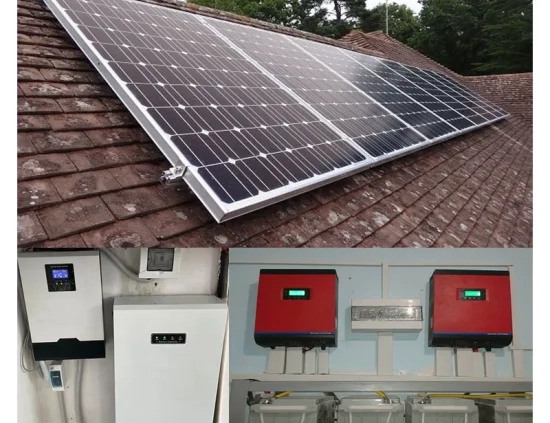
A solar inverter is the heart of your solar power system. Its primary job is to convert the direct current (DC) electricity generated by your solar panels into alternating current (AC) electricity, which is what powers most of the appliances in your home. Without a solar inverter, the electricity produced by your solar panels would be pretty much useless for your day-to-day needs.

But a solar inverter does more than just convert electricity. It also monitors your system’s performance, provides data on energy production, and helps protect against issues like grid faults. In other words, choosing the right inverter is essential for ensuring that your solar system works efficiently and reliably.

Types of Solar Inverters: Which One Is Right for You?

When it comes to solar inverters, there’s no one-size-fits-all solution. The type of inverter that’s best for your home depends on your specific needs and circumstances. Let’s take a look at the most common types of inverters available and what each one has to offer:

  1. String Inverters
    • How It Works: In a string inverter system, multiple solar panels are connected in series (like a string), and the combined output is sent to a single inverter.
    • Pros: String inverters are typically less expensive and easier to maintain since there’s only one central unit to manage. They’re a solid choice if you have a simple roof layout and consistent sunlight exposure.
    • Cons: The downside is that the performance of the entire system can be affected if one panel’s output drops (due to shading or debris, for example). This makes them less ideal for roofs with varying angles or shading issues.
  2. Microinverters
    • How It Works: Microinverters are installed on each solar panel individually, allowing each panel to operate independently.
    • Pros: The biggest advantage of microinverters is that they maximize the output of each panel. So, if one panel is shaded or underperforming, it won’t drag down the whole system. They’re great for complex roof designs and areas with partial shading.
    • Cons: Microinverters are generally more expensive upfront and can be a bit more complex to install and maintain.
  3. Hybrid Inverters
    • How It Works: Hybrid inverters (also known as battery-based inverters) allow you to connect your solar panels to a battery storage system. This lets you store excess energy for use during the night or during power outages.
    • Pros: Hybrid inverters are ideal if you want to add a battery to your system either now or in the future. They offer flexibility and can help you achieve energy independence.
    • Cons: These inverters tend to be more expensive and may require more complex installation and maintenance.
  4. Off-Grid Inverters
    • How It Works: Off-grid inverters are used in systems that are completely disconnected from the national grid. They’re paired with batteries to store power for use when the sun isn’t shining.
    • Pros: Perfect for remote areas with no access to the national grid or for those who want complete independence from the grid.
    • Cons: Off-grid systems can be expensive and require careful planning to ensure you have enough battery storage to meet your needs.

Assessing Your Energy Needs

Now that you have a basic understanding of the types of inverters available, the next step is to assess your energy needs. This is a crucial part of the process because it will determine the size and capacity of the inverter you need.

Start by looking at your electricity bills to get an idea of how much energy your household consumes each month. Pay attention to your peak energy usage times, which will help you figure out the maximum load your inverter needs to handle. It’s also important to consider any future changes, like adding new appliances or expanding your home, as this will affect your energy needs down the road.

If you’re unsure about calculating your energy requirements, don’t worry—most reputable solar installers will help you with this as part of their service. They’ll conduct a site assessment to determine the optimal system size and design for your home.

Considering Your Budget and Financing Options

Let’s be real—budget is a major factor for most people when it comes to investing in solar energy. While the upfront cost of a solar inverter system can be significant, it’s important to remember that this is a long-term investment. Over time, the savings on your electricity bills can more than offset the initial cost.

When budgeting for your solar inverter system, consider the following:

  • Upfront Costs: This includes the cost of the inverter, solar panels, installation, and any additional equipment like batteries or monitoring systems.
  • Long-Term Savings: Calculate how much you’ll save on electricity over the life of the system. This can help you determine your break-even point and the return on investment (ROI).
  • Financing Options: Many solar providers offer financing plans, including pay-as-you-go options, loans, or leasing arrangements. These can make it easier to spread out the cost over time.

Choosing a Reputable Solar Installer

Finally, selecting a reputable solar installer is key to ensuring that your system is properly designed, installed, and maintained. Look for a company with a proven track record, good customer reviews, and solid warranties on their products and services.

A good installer will not only help you choose the right inverter but will also guide you through the entire process, from site assessment and system design to installation and aftercare. They’ll ensure that your system is optimized for performance and longevity, giving you peace of mind and a reliable source of power for years to come.

Final Thoughts: Making the Right Choice for Your Home

Choosing the right solar inverter system for your Nigerian home may seem daunting, but with the right information and support, it’s a decision that can significantly improve your quality of life. By understanding your energy needs, considering your budget, and selecting the right type of inverter, you’ll be well on your way to enjoying the benefits of clean, reliable solar energy.

So, whether you’re tired of the constant power outages, looking to cut down on electricity bills, or simply wanting to live a more sustainable lifestyle, investing in the right solar inverter system is a step in the right direction. The sun is shining—let it power your home and your future.
How Solar Energy Can Help Nigerian Businesses Cut Operational Costs

Running a business in Nigeria comes with its fair share of challenges. If you’re a business owner, you know that one of the biggest headaches is managing operational costs, particularly when it comes to energy. Between the unreliable power supply from the national grid and the skyrocketing prices of diesel and petrol for generators, keeping the lights on can feel like a never-ending battle. But here’s some good news: solar energy is emerging as a reliable and cost-effective solution for businesses across Nigeria.

Yes, solar energy. It’s not just a buzzword or a trend—it’s a real game-changer, especially in a country like ours where the sun shines bright almost every day of the year. If you’ve been wondering whether it’s time to make the switch, let’s dive into why solar energy could be the key to slashing your operational costs and boosting your bottom line.

The Unpredictability of Nigeria’s Power Supply

Let’s face it: Nigeria’s power supply is anything but consistent. One minute you’re working on an important project, and the next, the lights go out. “NEPA don take light!” has become a phrase we all know too well. For businesses, this unpredictability can be more than just an inconvenience—it can be costly. Power outages disrupt operations, cause delays, and in some cases, lead to equipment damage.

To cope, many businesses rely heavily on generators, which brings its own set of problems. Generators are noisy, require regular maintenance, and, most importantly, they’re expensive to run. With fuel prices fluctuating and often trending upwards, the cost of keeping a generator running can quickly eat into your profits. And let’s not forget the environmental impact—burning fossil fuels contributes to air pollution and climate change.

This is where solar energy comes in as a breath of fresh air, quite literally.

Solar Energy: The Cost-Effective Alternative

One of the biggest myths about solar energy is that it’s too expensive. Sure, the initial cost of installing solar panels and an inverter system might seem steep, but when you think about the long-term savings, it becomes clear that solar energy is actually a smart investment.

Let’s break it down. Once your solar system is installed, your energy costs will drop significantly. Unlike fuel, which you have to keep buying, sunlight is free—and there’s plenty of it in Nigeria. With solar energy, you can say goodbye to those hefty fuel bills and the constant worry about price hikes. Over time, the savings you’ll make on energy costs can be substantial, freeing up more capital to invest in other areas of your business.

But the cost-effectiveness of solar energy doesn’t stop there.

When you’re not relying on the national grid or a generator, you’re no longer at the mercy of power outages. This means your business can operate smoothly and efficiently, without the interruptions that so often come with power cuts. Whether you’re running a factory, a retail store, or an office, consistent power supply is crucial for maintaining productivity.

Think about it: no more shutting down equipment, no more restarting computers, no more lost time. With solar energy, your business can keep running no matter what’s happening with the national grid. This not only boosts productivity but also improves customer satisfaction. After all, a business that’s always up and running is a business that customers can rely on.

Low Maintenance, High Reliability

Another advantage of solar energy is that it requires very little maintenance. Once your system is installed, it pretty much takes care of itself. Solar panels have no moving parts, which means there’s very little that can go wrong. They’re designed to withstand the elements, and with a lifespan of 25 years or more, they’re built to last.

This is a stark contrast to generators, which require regular servicing, oil changes, and occasional repairs. Every time your generator breaks down, it’s not just a hassle—it’s an added cost. With solar energy, you can eliminate these maintenance costs and enjoy a reliable power supply that keeps your business running smoothly.

Environmental Responsibility: A Business Advantage

More and more consumers are becoming environmentally conscious, and they’re looking to support businesses that share their values. By switching to solar energy, you’re not just cutting costs—you’re also reducing your carbon footprint and positioning your business as a leader in sustainability.

This can be a powerful marketing tool. Imagine being able to tell your customers that your products are made using clean, renewable energy. Or that your services are powered by the sun. It’s a message that resonates with today’s consumers and can set you apart from your competitors.

In addition, as governments and organizations around the world push for greener practices, there could be future incentives and benefits for businesses that adopt renewable energy. By making the switch now, you could be ahead of the curve.

Solar Energy as a Long-Term Investment

When you invest in solar energy, you’re not just solving your immediate power problems—you’re also making a long-term investment in your business. The savings you’ll make on energy costs over the years can be significant, and the stability and reliability that solar power provides can give you a competitive edge.

Moreover, as solar technology continues to advance, it’s becoming more efficient and affordable. This means that your initial investment will likely pay off even sooner than you expect. And with the potential for government incentives and financing options, there’s never been a better time to go solar.

Making the Switch: What to Consider

If you’re ready to explore solar energy for your business, there are a few things to consider. First, you’ll need to assess your energy needs and determine the size of the solar system required. This will depend on the size of your business, the type of operations you run, and how much energy you currently consume.

Next, it’s important to work with a reputable solar provider who can help you design a system that meets your needs and fits your budget. They’ll also handle the installation and provide ongoing support to ensure your system operates efficiently.

In conclusion, solar energy offers Nigerian businesses a practical and cost-effective solution to the challenges of unreliable power supply and high operational costs. By making the switch, you can enjoy consistent power, reduce your energy expenses, and position your business as a leader in sustainability. So, why wait? The sun is shining—literally—and it’s time to let your business shine too.

The Growing Demand for Solar Energy in Nigeria: Why Now is the Time to Invest

If you live in Nigeria, the sight of a generator sputtering to life during yet another power outage is all too familiar. The “NEPA has taken the light!” moment has become part of our daily lexicon. But here’s something that’s slowly changing the narrative: solar energy. That’s right, solar power is not just for the rich or tech-savvy anymore. It’s becoming an increasingly viable option for everyone, from households to businesses across the country. If you’ve been sitting on the fence about investing in solar energy, now might just be the perfect time to take the plunge. Let’s talk about why.

The State of Power in Nigeria: A Persistent Problem

To truly appreciate the rise of solar energy in Nigeria, we need to take a look at the state of our power sector. It’s no secret that Nigeria has struggled with electricity generation and distribution for decades. The national grid is notoriously unreliable, with power cuts being the norm rather than the exception. Many of us have become resigned to this reality, relying on costly generators that guzzle fuel and add to the already high cost of living.

But here’s the kicker: Nigeria is one of the sunniest countries in the world, with an average of 2,600 hours of sunlight per year. Yet, we still grapple with a power supply that barely scratches the surface of our energy needs. This irony hasn’t been lost on those who are now increasingly turning to solar energy as a sustainable alternative.

Solar Energy: A Glimmer of Hope

So, what makes solar energy such a promising solution for Nigeria? First off, it’s a clean, renewable source of power that’s abundant in our part of the world. Unlike fossil fuels, which are depleting and polluting, solar energy harnesses the power of the sun—a resource we have in abundance.

But beyond its environmental benefits, solar energy is proving to be a game-changer for individuals and businesses alike. Here’s why.

Cost-Effective in the Long Run

One of the biggest misconceptions about solar energy is that it’s too expensive. Yes, the initial setup cost for solar panels and inverters can be significant, but here’s the thing: it’s a one-time investment. Once your system is up and running, your electricity bills will drastically reduce, and in some cases, vanish altogether. No more monthly bills from PHCN, and certainly no more running to the filling station to buy diesel or petrol for your generator.

Consider this: the money you’d spend on fuel and generator maintenance over a few years could easily cover the cost of a solar system. And the best part? Solar panels require minimal maintenance and can last for 25 years or more. In the long run, you’re not just saving money; you’re also gaining energy independence.

Increasing Affordability and Accessibility

The cost of solar technology has been steadily decreasing, making it more affordable for the average Nigerian. In the past, solar energy was seen as something only the wealthy could afford. However, with advances in technology and a growing market, prices have dropped, and there are now more options to suit different budgets.

Moreover, various financing options are now available, from pay-as-you-go models to loans and government incentives. Some companies even offer solar leasing, where you can install a system and pay for it over time as you enjoy the benefits. This has made solar energy more accessible to a wider range of people, not just the elite.

Reliability and Peace of Mind

Imagine a life without the constant hum of a generator, the fumes, and the anxiety of not knowing when the next power cut will hit. Solar energy offers something that’s becoming increasingly rare in Nigeria: reliability. Once your system is installed, you can enjoy uninterrupted power, regardless of what’s happening with the national grid. This is especially beneficial for businesses that rely on a steady power supply to operate efficiently.

In addition to reliability, there’s also the peace of mind that comes with knowing you’re contributing to a cleaner environment. Solar energy produces no greenhouse gases or other pollutants, making it a much greener alternative to generators.

Government Support and Incentives

The Nigerian government is slowly but surely waking up to the potential of solar energy. In recent years, there have been various initiatives aimed at encouraging the adoption of renewable energy, including solar. For instance, the Rural Electrification Agency (REA) has launched several projects to provide off-grid solar power to rural communities, and there are tax incentives for businesses investing in renewable energy.

While there’s still a long way to go in terms of government support, these initiatives are a step in the right direction and signal a growing recognition of the role solar energy can play in Nigeria’s energy future.

The Perfect Time to Invest

All these factors combined—falling costs, increasing reliability, government support, and the sheer necessity of finding a sustainable power solution—make now the perfect time to invest in solar energy in Nigeria. Whether you’re a homeowner looking to cut down on electricity bills, a business owner seeking to improve operational efficiency, or an investor eyeing the renewable energy sector, solar power presents a golden opportunity.

So, if you’ve been thinking about making the switch to solar energy, there’s no better time than now. The sun shines bright on Nigeria, and it’s time we harness that power to brighten our homes, our businesses, and our future.